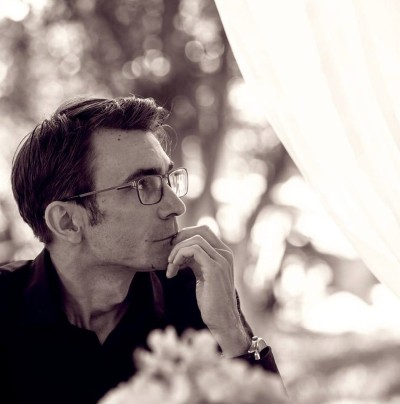
At the buzzing PokerStars European Poker Tour in Prague, Felix “xflixx” Schneiders pauses to reflect on a whirlwind series. The veteran streamer, coach, and PokerStars Team Pro has spent weeks chasing a live trophy—something that has eluded him despite strong showings. “I played a lot this series already,” he says at the start of the interview. “Pretty much every event I could. We’re going pretty hard after trying to win a trophy for the stream because we’ve been working for like half a year with a coach to move my game forward.”
The hard work shows. “It’s been showing off as I had a deep run in Malta in the main event for 48th place,” he explains. “That really pushed me harder now that I want to perform.” Still, poker’s realities remain humbling. “Unfortunately it wasn’t meant to be,” he says, referring to his early bust on Day 2 of the EPT Main. “I think I played really well. The spots just didn’t go my way… I made one call that I’m not particularly proud of, but it was a tough spot.”
Despite the setback, Schneiders radiates optimism. “It’s nice,” he says with a genuine smile. “Making Day 2 is always nice.”
Reinventing the Stream — Going Live, Literally
For over a decade, “xflixx” has been a fixture of the poker Twitch and YouTube scenes. But today, his streaming looks very different. “For about three years we’ve been developing a live stream for live tournaments specifically. I used to stream only online poker, but due to regulatory issues we switched, and now we’re doing streaming just for live poker.”
It all began modestly and almost by accident. “I used to stream myself at the live table with just my smartphone,” he says, laughing. “Then I took a buddy of mine from my community who started to film me. And then we realized—OK, one guy for 12 hours is not gonna work. It’s too much. So we started to continually grow the team.”
The community helped it flourish. “On the live streaming scene it’s very cool… A lot of people want to help. They see it’s fun, and they want to be part of it. So we started building a team that follows me around, filming and creating content around what I’m playing.”
What started by accident became a passion project. “I accidentally went live on a €250 tournament and almost twice as many people were watching as usual,” he recalls. “People didn’t even need to see the cards. They just enjoyed being part of the experience.”
Building a Global Poker Community
Schneiders’ stream primarily serves German-speaking fans, but its reach now extends across Europe. “It’s designed to be just for Germans,” he explains. “Two-thirds of the viewership has always been Germany, Austria, Switzerland, Liechtenstein, Luxembourg… But as we’ve been traveling, we pick up more people. The French, for instance, are big fans of the stream, even though they don’t understand a single word.”
The engagement goes beyond language. “When I sit at a table with someone, suddenly their friends and family tune in. They share it with peers, and they start watching. It becomes a connective international community.”
Studying His Own Game — Frame by Frame
Back home, Schneiders turns his recorded sessions into study material. “We pick the relevant key spots and go through them. My coach analyzes the technical side, the GTO strategy. But we also look for tells: who has an itch on their face, who fiddles with their chips. When I’m sitting at the table I sometimes don’t notice those things.”
Working with coaches like Ben ‘BenCB’ Rolle, Schneiders discovered how live tells and physical behavior can reveal far more than solver output. “We picked up some really cool stuff,” he says. “Like people clinging to their cards—and it was aces. I didn’t see it in real time, but we could on the footage. It’s a different kind of analysis than online poker.”
That process has changed his play. “I’ve made better calls or bigger folds due to learning about tells. Of course, sometimes you go wrong, but it helps a lot. And people in the chat love spotting these things, too. They comment on them and use them for their own game.”
Fast Games and Fun: The Spin & Go Spirit
During the Prague festival, Schneiders joined colleagues Nick Walsh and others at the new Live Spin & Go tables—a concept designed to bring the popular online format into real-world play. “I love them,” he says. “I used to stream a lot of Spin & Gos online. I just like the fast-paced format. It’s more interactive; you interact with the two other people more than in a regular poker game. It’s lively. It’s a really cool experience.”
He remembers his first Spin & Go Championship fondly. “I played last year here in Prague. It was a lot of fun. I only lasted one round—I would have loved to last longer—but it was so much fun. We can do some great content at those tables, play with friends, and just enjoy. It’s a nice format.”
Adapting from Online to Live Poker
When asked what advice he’d offer online players making the jump to live events, Schneiders puts a lot of emphasis on mindset. “Online is very technical,” he explains. “Live is a very human, interactive experience.” His advice is simple: “Be more social. Open yourself up to more views on how people see the world and the game. Don’t stay in your GTO world; go out there and experience it.”
He sees live success as rooted in perception and presence. “Live is about the feel of things, the energy. Who’s tight, who’s loose, who’s tired or distracted, who you trigger… These things matter much more than GTO.”
That’s what makes live poker uniquely rewarding. “There are so many players who can be super successful in live poker that wouldn’t stand a chance online. They miss all the GTO stuff, but they know how to play their opponent.”
The Pain and Joy of Tournaments
After years in cash games, Schneiders finds the tournament grind more fulfilling, and doesn’t hesitate when asked about which of the two formats he prefers. “Definitely tournaments. Even though they’re more painful. In cash games, you win a lot of sessions. In tournaments, you bust 80 to 85% of the time. But the reward is so much greater when you go deep.”
He still recalls his first win vividly. “It was a $22 six-max tournament. I won $1,000, which was only two buy-ins for my cash games back then, but it meant so much more. It’s not about the money. It’s about the experience. You outlast 250 people. You’re the one in first place. It’s a different feeling.”
The Poker Dream in 2025 — Challenging but Alive
When asked about the “poker dream,” Schneiders didn’t sugarcoat it. “Somebody asked me recently: at 29, is it too late to go poker pro?” he says. “And I told them, yes and no.”
He sees three main challenges: finances, mindset, and strategy. “To become a pro these days takes a lot: work, dedication, stamina, and passion,” he explains. “If you don’t have passion, you won’t make it. It’s too tough. Only maybe five to ten percent of top pros truly win.”
His advice? Start small. “Start as a hobby. Use the smallest stakes you can afford without financial stress. Build slowly. Poker as a side hustle works far better. Make it your passion first, your profession later.”
And that passion still fuels him. “I just try to share the love for poker,” Schneiders concludes. “It doesn’t have to be a professional pursuit. It can be a hobby, a side passion, a beautiful game. As long as you stay within your limits and approach it responsibly, it’s the most beautiful hobby in the world!”