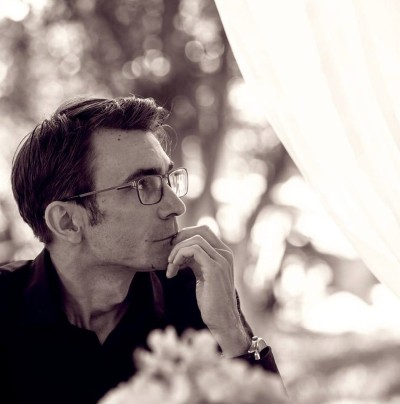
At the heart of the PokerStars European Poker Tour Prague, the air hums with the familiar rhythm of chips, cards, and anticipation. Amid the crowded tables and flashing cameras, one voice stands out—not from the felt, but from above it. Nick Walsh, PokerStars ambassador, commentator, and respected Spin & Go specialist, moves easily between player and storyteller, bridging two worlds that define the modern poker experience.
For Walsh, Prague is more than another stop on the EPT circuit—it’s a return to where one of poker’s most fast-paced formats began. The Spin & Go tables, buzzing with energy, mirror the excitement and unpredictability that have long fueled his own journey. Between hand analyses and media commitments, Walsh takes time to reflect on how the game continues to evolve—both online and live—and why accessibility and authenticity matter more than ever.
Warm and articulate, Walsh speaks with the calm of a strategist and the enthusiasm of a lifelong fan. His reflections weave together the technical layers of poker with its human side—the camaraderie, the showdown tension, and the idea that even in a digital era, poker remains a game of connection.
Back Where It All Began: The Spin & Go Evolution
“It feels good to be back in the birthplace of where the Spin & Go championship started,” Walsh said, smiling at the buzz surrounding the on-demand spin tables strategically placed on EPT Prague’s tournament floor to grab attention. “It’s been a lot of fun. I’m really happy to see that Spin & Go players are represented because there are so many people that enjoy Spin & Gos, but there’s never been a way for us to go to a live event and say this is for the Spin & Go players specifically.”
 Walsh explained that while a different team was responsible for crafting the live Spin & Go format, his role has been to help shape it from a player’s perspective. “I can’t take credit for being the creative mind behind it. There was another team that actually decided that they would create these, but I have tried to be the experienced Spin & Go player to help shape it in a way that I think is going to be good for poker players and good for Spin & Go players—but also something that still works in a live environment.”
Finding that balance hasn’t been easy. “Spin & Gos are super fast online because they’re dealt online,” he said. “Finding a balance has been very difficult… We can’t have blind levels that are too short or rely on instant dealing. But the new format is getting close to something that’s sufficiently skillful without being too long, and it’s a fun way for people to sit and have some fun.”
Why Spin & Gos Bring Out the “Poker Ninja”
Asked what makes Spin & Go his game of choice, Walsh lit up. “For me personally, I think that Spin & Gos make you into a bit of a poker ninja,” he said. “If you go to play a cash game and you have a lot of money to play poker with… there’s a lot of places to hide. Spin & Gos make you always uncomfortable. You’re never comfortable, you’re never in an easy spot—it’s always a tricky spot.”
 He rejects the claim that short-stack play removes skill. “People say, ‘You only have 15 big blinds, you can’t possibly have skill.’ It’s just not true,” he explained. “All the subtle details that you have to be very good at to be successful in Spin & Gos are kind of hidden in the game itself.”
That constant challenge is part of the appeal. “It makes you a much more confident player in reading people’s hands and reading situations.I enjoy that no-mercy, winner-take-all, brutal aspect of it. If you’re not good, you get found out right away. You can’t hide at the table.”
The Commentary Booth: Making Poker Accessible
While Walsh’s playing roots run deep, many fans know him better as one of the voices of PokerStars’ broadcasts. “I would say that’s definitely true,” he admitted with a grin. “I do all the streaming for PokerStars on Twitch and YouTube, and I do all the live events as well.”
He believes that good commentary is essential for the game’s continued growth. “I think that commentary for poker is absolutely critical for engagement. Commentators are absolutely necessary to make poker accessible—especially to players that are new or haven’t discovered the game—because they take something that is very quiet and very subtle and they make it accessible.”
Without commentary to shed some light, he warned, many viewers might falsely believe poker is just luck. “Without the commentators there to explain why it’s happening, people can throw the game away as, ‘Okay, it’s just a bunch of guys waiting to get lucky.’ Commentary helps explain that away and people appreciate why it’s a fun game and why it’s skillful.”
Good commentary, Walsh added, keeps even the “boring” stretches worth watching. “Sometimes we have long stretches where nothing happens. Hopefully it’s what we do in the commentary booth that keeps it entertaining when it’s boring.”
Memorable Moments from the Booth
Walsh recalled three moments that stand out in his commentating career.
“The first time I ever did live commentary with James and Joe was here in Prague. It was so surreal for me to be given the opportunity and the privilege to do commentary for PokerStars… sat next to people that I have known for so long from a distance.”
Next, he pointed to EPT Barcelona 2022, when Giuliano Bendinelli famously came back from one big blind to victory. “That entire event was crazy,” Walsh recalled. “The poker played was incredible… it was just cinema. It was perfect. Everything about it was so good—it gives me goosebumps just thinking about it.”
Finally, he brought up Barney Boatman’s win at EPT Paris in 2024 as a deeply emotional moment. “It was so beautiful to see a player that’s been around forever still out here competing and playing absolutely amazing poker. I actually cried when he won. It was such a moving event.”
Balancing Playing and Commentary
“I absolutely love playing poker,” Walsh said when asked which he prefers. “But while sometimes I feel a little bit jealous that I’m not competing when I’m doing commentary, I have to also admit that I’ve never been a big MTT player myself.”
He enjoys both sides of the game. “To be able to enjoy the game in my own capacity and then to commentate on events like this is a good balance. I think I prefer commentary just because I work with such great people and I feel like I’m part of something much bigger than myself.”
The Poker Dream in 2025: Still Alive
To newcomers wondering if “the poker dream” still exists, Walsh didn’t hesitate: “I think the poker dream is absolutely still alive,” he said. “The tools to become very good at poker have never been more sophisticated.”
His advice for beginners? “Learn the mechanics of the game. PokerStars Learn is a very good resource. One of the benefits is you can play for play money and experience how the game works without risking anything.”
When ready to take it seriously, he stressed learning efficiently. “Get a coach,” he said with conviction. “If I had just gotten a coach much earlier in my career, I would have been much more successful by now… Even though there might be an expense associated with that. There’s also fantastic material online—a lot of which is free.”
As our conversation wrapped, Walsh had to hurry back to the commentary booth, to do one of the things he does best – talk about poker and bring the game many of us already love closer to those just discovering its magical attraction.