
Maine Governor Janet Mills allowed a bill legalizing iGaming to become law by failing to sign it or veto it earlier this year. That law allows for regulated online poker in Maine. Now, she took more decisive action by signing a handful of new bills, all pertaining to the gambling industry in the state.
The Governor was busy signing a variety of bills into law in recent weeks, as the state’s two-year legislative session approaches its final day on April 15, and a few of those directly affected sweepstakes poker and casino operators, as well as other gambling operators in the Pine Tree State.
LD 2007 explicitly banned all sweepstakes operators from the state, allowing for stronger enforcement against any operators who continue to offer services in Maine in the future.
Two other gambling-related documents were also signed into law, one banning the use of credit cards in online gambling, and another prohibiting the bulk sale of lottery tickets.
With these actions, Maine made moves to prepare for the upcoming launch of a legalized iGaming market, which is currently being challenged in court by the Oxford Casino operator Churchill Downs Inc.
Sweepstakes Poker and Casinos Explicitly Banned
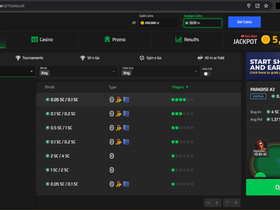
Legislative Document 2007 was signed by Gov. Mills on Monday, explicitly banning all dual-currency online sweepstakes casino and poker operators at the request of the Department of Public Safety.
This ban will encompass all sweepstakes sites, including sweepstakes sportsbooks, casinos, and poker operators. At the time it was signed into law, some 60 such operators were active in the state of Maine.
The new law will allow the state authorities to take stronger action against any operators that don’t comply, including issuing fines of up to $100,000, and making operators ineligible for future licensing through the Maine Gambling Control Board (MGCB).
This development makes Maine the second state to impose a ban on sweepstakes gambling sites in 2026, following Indiana, whose Governor Mike Braun signed a similar bill earlier in the year. However, the Indiana law includes an exception for sweepstakes poker.
Maine Joins States that Prohibit Credit Card Gambling
Just before signing the ban on sweepstakes, Gov. Mills also signed LD 2080, adding Maine to the list of states that ban the use of credit cards in all forms of online gambling.
The bill was originally introduced in January by Rep. Marc Malon, and included only a ban on the use of credit cards for online sports betting. Following the recent legalization of iGaming in the state, Malon urged his colleagues to extend the ban to online casinos as well, as he believes the guardrail should be set in all forms of online gambling.
“While sports wagering continues to grow and as iGaming comes online, it is appropriate for the legislature to consider guardrails, which can protect consumers from falling into dangerous habits and into debt,” said Malon.
Some operators, such as DraftKings, have previously banned the use of credit cards on their platform nationwide, but others, like Caesars, continue to allow it. Malon’s amended bill now forces all operators to ban credit cards on their platforms for Maine users.
This makes Maine another in a series of states that have introduced similar guardrails, with the likes of Illinois, Vermont, Tennessee, and Massachusetts already having a full ban on credit cards in iGaming.
Bulk Lottery Purchases Addressed in LD 2095
On April 3, Gov. Mills also signed LD 2095, an emergency measure introduced via a committee amendment in March, addressing bulk purchases of lottery tickets.
The bill bans any person or groups of purchasing more than $25,000 worth of lottery tickets in single or multiple locations, via single or multiple transactions. The bill bans individuals from acting in concert to purchase tickets in bulk and claims to be addressing an active crisis.
According to the bill, bulk purchasing activities threaten the fairness and integrity of the lottery and run contrary to the intent of the lottery, which was authorized by voters all the way back in 1973.
The bill will limit the number of tickets individuals or groups can purchase in bulk, thus limiting any single player’s ability to exploit the lottery rules or create an advantage over other players.
The three bills signed into law this spring all aim to make the gambling market in Maine more fair, equitable, and safe for the players, setting guardrails and establishing limitations that keep gambling fun, but also safe.