

Last month, PokerStars announced that it was becoming a network, with the PokerStars Network (PSN) onboarding its first new brand: Betfair, its sister brand under Flutter. Later this year, two more Flutter-owned brands will join the new network: Ireland-based Paddy Power and UK-based Sky Poker.
The moves make sense. Flutter owns all four brands, but Betfair, Paddy Power and Sky Poker had been operating on the competing iPoker Network. Speculation that they would eventually move to PokerStars had been around for years. It was a matter of when, not if.
But this Monday, PokerStars confirmed something much bigger.
For the first time in its 25-year history, PokerStars is turning the PokerStars Network into a fully-fledged B2B proposition, opening its technology, player liquidity, products and brands to outside operators.
“We’re expanding the PokerStars Network as part of Flutter, bringing the PokerStars standard to more partners and more players worldwide,” reads the newly launched website, PokerStarsNetwork.com. “Partners gain immediate access to the world’s most recognizable, favored and trusted brand in poker, driving visibility, strengthening credibility and accelerating go‑to‑market success.”
In simple terms, other poker companies will now have the opportunity to join the PokerStars Network and share its player pool, much like operators already do on networks such as iPoker.
And that could be a game changer for PokerStars.

- Deposit $10 or more and get a 100% bonus match up to $600
- One of the best mobile apps
- Biggest MTT guarantees
PokerStars Opens the Doors to Third Parties
PokerStars has historically kept its huge player pool largely within its own brand. While other brands have used its technology in the past, there has never been a broad offering allowing outside operators to join the PokerStars Network.
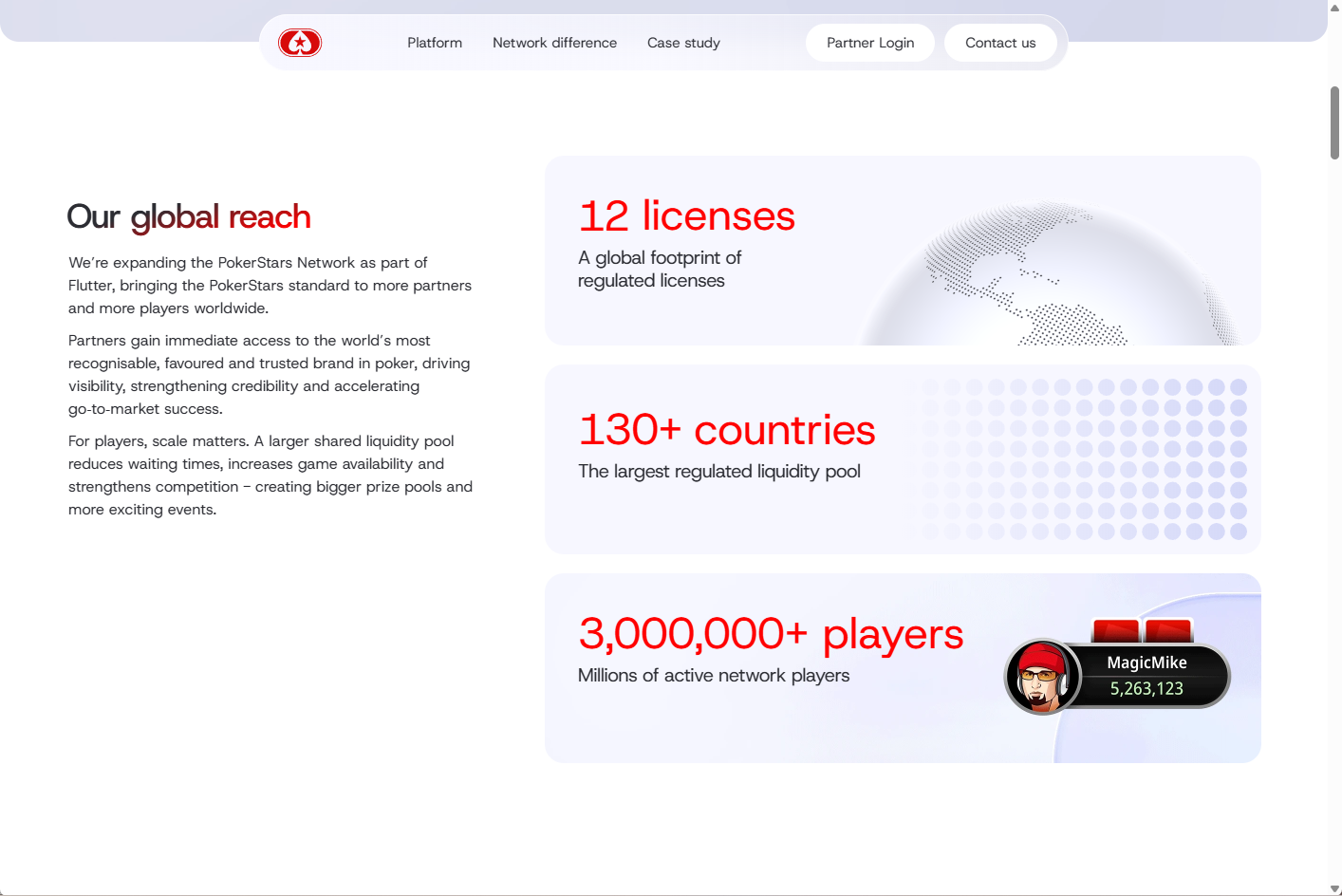
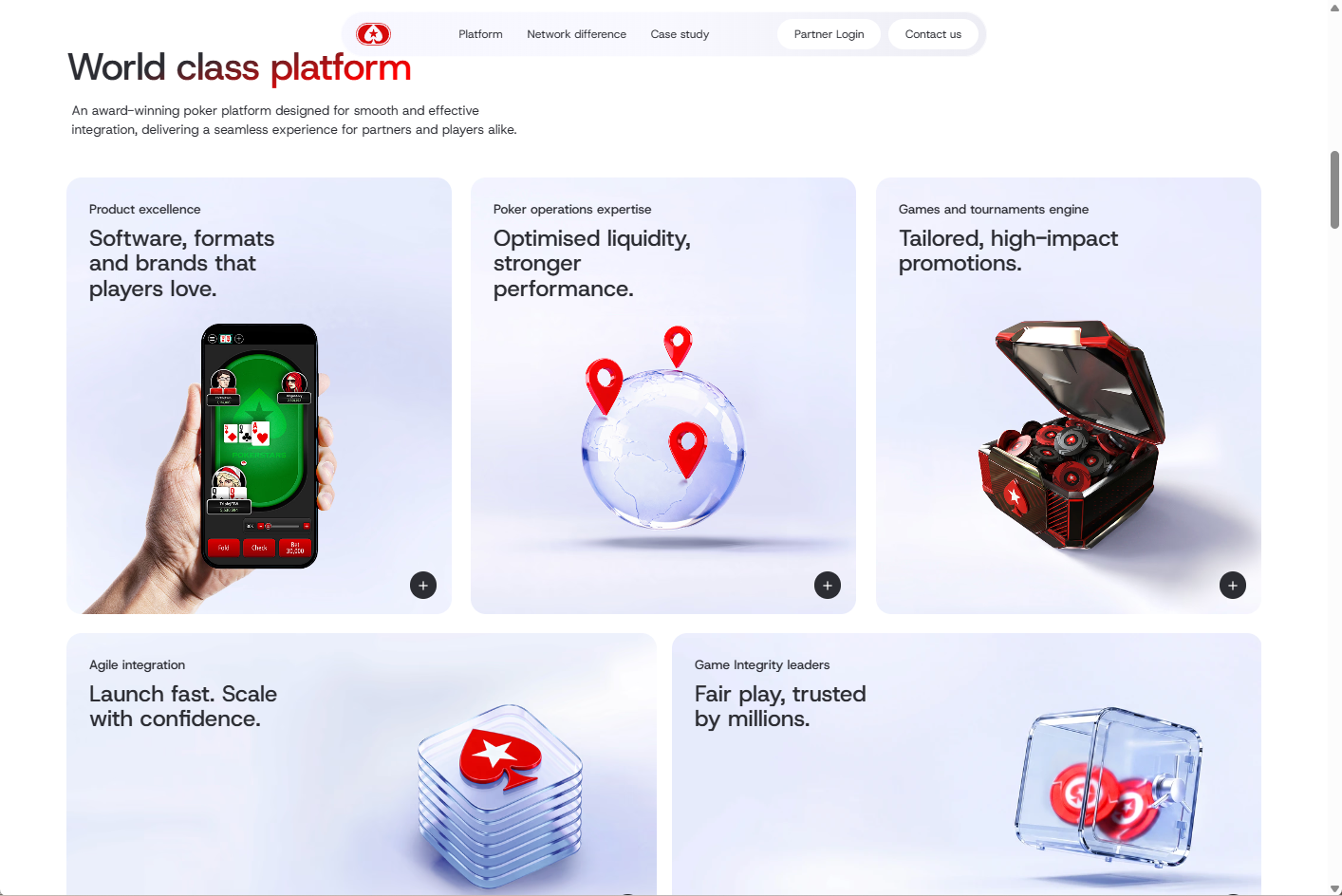
That is now changing. PokerStars has started promoting the network to potential partners, offering access to its software, liquidity, game-integrity technology and poker products. It will also showcase the new network at next week’s SBC Summit Lisbon, where it will pitch the proposition to potential partners and look to bring new operators onto the network.
Partners will also be able to use some of PokerStars’ best-known products, including the Sunday Million, Spin & Go and European Poker Tour.
The important part is that a partner does not necessarily have to become PokerStars. The company says integrations can be tailored to individual operators and markets. A poker site could keep its own brand while using PokerStars’ technology and sharing liquidity with the rest of the network.
There is also the possibility for a partner to operate the PokerStars brand itself through a franchise arrangement, depending on the market and partnership. That gives operators considerably more flexibility than simply becoming another PokerStars skin.
Italy Already Shows the Model
PokerStars is not starting completely from scratch with this approach. The company has already been using the model in Italy, where Flutter-owned Sisal and SNAI have moved their poker operations onto the PokerStars Network.
Sisal was the first major example. Its poker players remained on the Sisal brand, but gained access to the larger PokerStars player pool and products. The operator says the move helped increase Sisal’s poker revenue by more than 50%, while the combined network has consistently held more than 55% of the Italian online poker market.
Sisal players have also been able to take part in PokerStars promotions and qualify for live events, including the PokerStars Open in Campione.
Another Flutter brand, SNAI, has since joined the PokerStars Italy network as well.
The Italian experience gives PokerStars an existing example of how the model can work: a local operator can maintain its own identity while benefiting from PokerStars’ technology, liquidity and products.
The difference now is that PokerStars is opening the door to companies that are not owned by Flutter.
What Players Could See
It may sound obvious, but the more brands that join PSN, the more players will end up playing on the same network. For someone playing on a partner site, that could mean sitting at the same cash tables as PokerStars players or entering tournaments alongside them. More brands using the network could also help tournaments build bigger fields and give cash games more traffic.
The exact impact will depend on which operators join and which markets they operate in. The red spade giant has not announced its first independent third-party partner yet.
It also gives operators in regulated markets another way to enter or expand in online poker without having to build an entire poker platform themselves.
This is already common elsewhere in the industry. The iPoker Network, for example, has operated for years with multiple poker brands sharing liquidity. GGPoker has also increasingly used a similar approach in selected markets, partnering with brands such as Danske Spil, OlyBet and PokerArabia while continuing to operate its own GGPoker brand.
PokerStars has traditionally taken the opposite approach, keeping its player pool much more closely tied to its own brand. But that is now changing.
A New Chapter for PokerStars
The decision comes as PokerStars has been making several major changes to its online poker business. The company has been consolidating Flutter’s poker brands onto PSN, with Betfair already moved and Paddy Power and Sky Poker expected to follow.
It has also moved its North American operations to FanDuel and is continuing to consolidate its poker technology and brands in various markets.
Opening PSN to third-party operators is the next step. The operator has not yet announced which outside companies will become the first true third-party partners, so the size of the network will depend on how many operators ultimately sign up and in which markets. But the proposition is now clear.
PokerStars is no longer looking only to grow its own poker site. It is offering other companies the chance to build on the same technology and liquidity that powers PokerStars, while potentially keeping their own brands.
After 25 years of operating primarily as a poker brand, PokerStars is now trying to become something much bigger: a poker network that other brands can plug into.