
Live Poker in Florida: Cardrooms, Laws, and Where to Play
Last updated: February 11, 2026
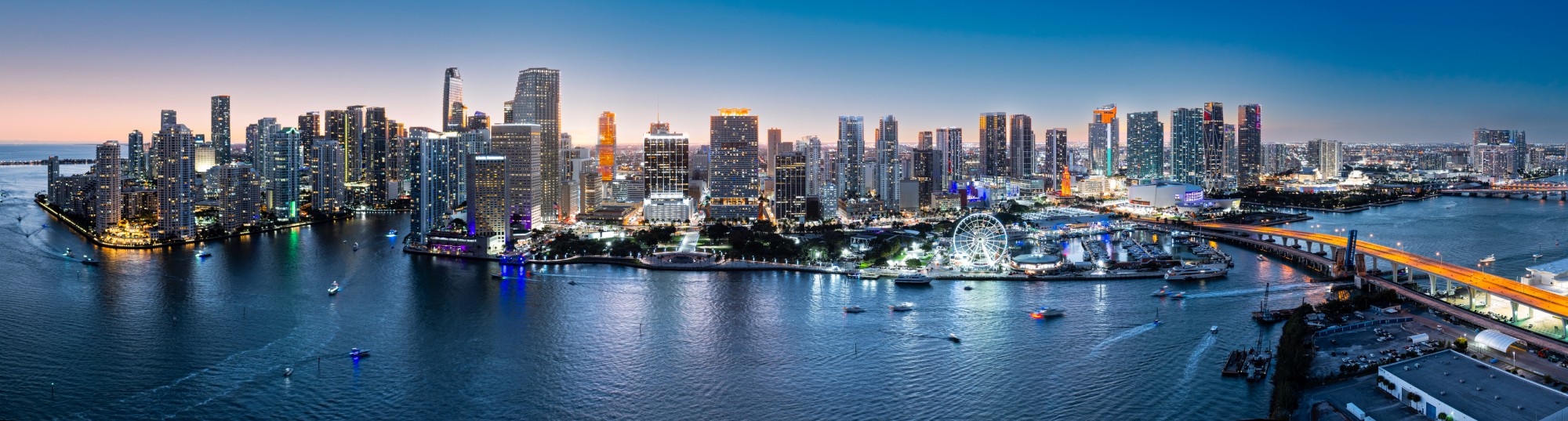
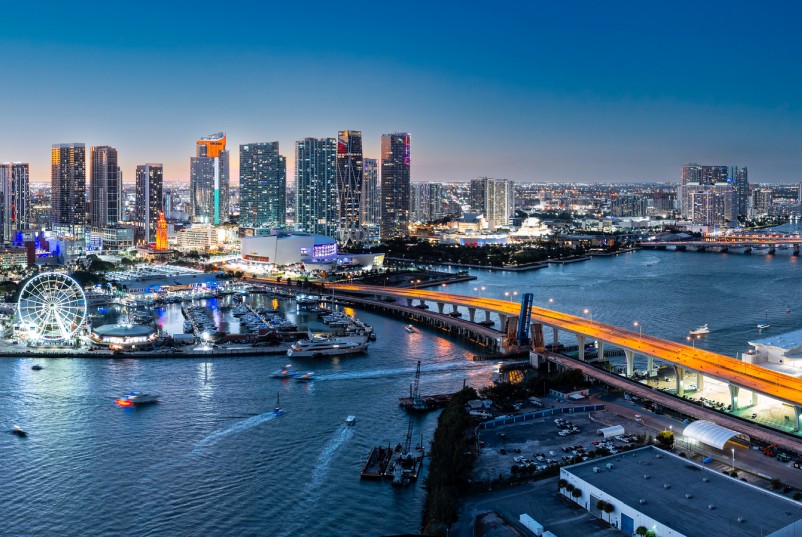
Florida is one of the most active live poker states in the US, with dozens of registered cardrooms spread across the Sunshine State. While Florida does not offer regulated real‑money online poker, it has long been a strong market for in‑person poker, supported by a well‑defined cardroom system and a large, diverse player base.
 Live poker in Florida is primarily offered at state‑registered cardrooms, along with a smaller number of poker rooms located inside tribal casinos. These venues host daily cash games and tournaments, attracting everyone from casual local players to traveling professionals. Oversight is provided by the Florida Gaming Control Commission, which regulates cardroom operations and enforces rules around fees, game structures, and compliance.
Florida’s live poker landscape is shaped by a unique mix of stakeholders. Registered cardrooms operate under state law, while the Seminole Tribe maintains exclusive control over most other forms of casino gambling through a gaming compact with the state. This structure has helped preserve a robust live poker ecosystem, even as Florida online poker remains unavailable.
This guide explains how live poker works in Florida, where players can legally play in person, and how the state’s cardroom laws and regulations shape the overall poker experience.
Florida Gambling Laws and Live Poker
Live poker is legal in Florida, but only when played within the specific frameworks allowed under state law. Florida’s gambling laws permit several forms of wagering, while placing clear limits on where and how poker games may be offered.
Under Florida law, the following forms of gambling are legal:
- Pari‑mutuel wagering on horse racing and jai alai
- Casino gaming at tribal casinos
- The Florida Lottery
- Poker and dominoes played for money in licensed cardrooms
- Penny‑ante games played outside a cardroom, provided no player wins more than $10 in a single game
- Slot machines at eight licensed pari‑mutuel facilities in Broward and Miami‑Dade counties
- Bingo, social gaming, and sweepstakes‑style promotions, provided they comply with state law
Live poker for real money is therefore legal in Florida, but only at properly authorized venues.
How Poker and Cardrooms Are Regulated
Most live poker in Florida takes place at state‑registered cardrooms. These venues are regulated by the Florida Gaming Control Commission (FGCC), which oversees cardroom licensing, compliance, and enforcement.
Florida law allows cardrooms to charge a fee for hosting poker games, commonly referred to as a rake or participation fee. This fee may be structured in several ways, including:
- A percentage taken from each pot
- A flat per‑hand fee
- An hourly seat charge
Cardrooms are required to post their fee structures clearly and conspicuously at each table so players understand the cost of play. Importantly, cardrooms may not have any direct economic interest in the outcome of poker games beyond these participation fees.
Florida’s cardroom model differs from other major poker states. For example, cardrooms in California and private poker clubs in Texas are prohibited from charging a rake. Instead, California cardrooms use collection fees, while Texas poker clubs typically operate on a membership‑fee basis.
Tribal Casinos and Poker in Florida
In addition to state‑registered cardrooms, live poker is also offered at tribal casinos in Florida. There are seven tribal casinos in the state. Six are owned and operated by the Seminole Tribe of Florida, while the seventh is operated by the Miccosukee Tribe of Indians of Florida.
The Seminole Tribe operates under a gaming compact negotiated with the State of Florida and overseen by the FGCC. The Miccosukee Tribe does not have a state compact and instead operates under the federal Indian Gaming Regulatory Act (IGRA). Despite these different legal frameworks, both tribal operators are legally authorized to offer live poker as part of their casino operations.
In summary, live poker in Florida is fully legal when played at FGCC‑registered cardrooms or authorized tribal casinos. These venues form the backbone of Florida’s poker landscape and represent the only lawful options for in‑person poker in the state.
Poker in Florida Today
Live poker is widely available across Florida, with dozens of state‑registered cardrooms and multiple tribal casinos offering daily cash games and tournaments. This wasn’t always the case. Florida’s live poker landscape has evolved gradually over several decades, shaped by changes in state law and regulatory oversight.
Private, penny‑ante poker games became legal in Florida in 1989, provided no player won more than $10 in a single game. That change laid the groundwork for broader poker expansion and also allowed tribal casinos to begin offering poker under the federal Indian Gaming Regulatory Act (IGRA).
State‑registered cardrooms first became possible in 1996, when pari‑mutuel facilities were allowed to open poker rooms. Initially, these cardrooms were still limited by strict betting caps. In 2003, bet limits were increased to $2 with a three‑raise cap, followed by a $5 limit for limit games in 2007. That same year, No‑Limit Texas Hold’em and higher‑buy‑in tournaments were formally permitted.
Florida’s modern live poker environment took shape in 2010, when remaining limits on bets, pots, and tournament structures were lifted. Since then, cardrooms have been allowed to set their own stakes and buy‑in limits, resulting in a wide range of games and price points across the state.
Today, only pari‑mutuel facilities holding an active operating license for the current fiscal year may run a cardroom. According to the Florida Gaming Control Commission (FGCC), 27 cardrooms were registered for the 2023–2024 fiscal year, with that number increasing to 31 for 2024–2025. Oversight of cardrooms is now handled by the FGCC, which was created in 2021 after decades of regulation by the Division of Pari‑Mutuel Wagering.
As a result, Florida now supports one of the largest and most geographically diverse live poker markets in the US, combining long‑standing cardroom operations with poker rooms located inside authorized tribal casinos.
Where Florida’s Registered Cardrooms Are Located
Florida is one of the largest states in the US, but most poker players are within reasonable driving distance of a registered cardroom. Poker rooms are spread throughout the state, with the highest concentration found in South and Central Florida.
Most Florida counties that host live poker have a single registered cardroom. A handful of counties have multiple venues, reflecting higher population density and stronger demand for live poker. Broward and Miami‑Dade counties each host several cardrooms, while Hillsborough, Marion, and Volusia counties also have more than one location.
In addition to state‑registered cardrooms, live poker is available at tribal casinos operated by the Seminole Tribe and the Miccosukee Tribe. These venues are primarily located in South Florida and along major travel corridors, making them accessible to both local players and visitors.
The geographic spread of cardrooms means Florida players can usually find daily cash games and tournaments without traveling long distances. Game selection, stakes, and tournament schedules vary by region, so players often choose locations based on proximity, preferred games, and buy‑in levels.
Games Available at Florida Cardrooms
Florida’s registered cardrooms offer a wide variety of live poker games, with options suited to both casual players and experienced regulars. While No‑Limit Texas Hold’em is by far the most popular game across the state, many cardrooms also spread additional poker variants and specialty table games.
Cash games are the backbone of Florida’s live poker scene. Most cardrooms run multiple No‑Limit Hold’em tables throughout the day, with buy‑ins and stakes set by each venue. Pot‑Limit Omaha (PLO) is also commonly available, particularly at larger cardrooms and tribal casinos, often during peak hours.
In addition to standard poker formats, Florida cardrooms may offer a range of other player‑banked games permitted under state law. These can include variants such as Big O, mixed games, and other poker‑style offerings, depending on the room and local demand.
Tournament poker is also widely available across the state. Most cardrooms host daily No‑Limit Hold’em tournaments, along with weekly and monthly events featuring higher guarantees. Tournament structures, buy‑ins, and formats vary by location, but Florida’s permissive betting rules allow for everything from low‑stakes recreational events to larger, professionally run series.
Because cardrooms are free to set their own limits and schedules, the exact mix of games can differ significantly from one venue to another. Players looking for specific formats or stakes are encouraged to check individual cardroom schedules before visiting.
Major Tournament Series Run in Florida
Florida is home to some of the most recognizable live poker tournament series in the United States. In addition to daily and weekly tournaments at nearly every cardroom, several Florida venues regularly host large‑scale series that attract players from across the country and abroad.
One of the most prominent brands to appear in Florida is the World Poker Tour (WPT). The Seminole Hard Rock Hotel & Casino Hollywood is a long‑time WPT partner and regularly hosts major tour stops, championship events, and televised tournaments featuring large fields and significant prize pools.
Florida also plays host to World Series of Poker Circuit events. Venues such as Harrah’s Pompano Beach have welcomed WSOP Circuit stops, giving Florida players the opportunity to compete for WSOP Circuit rings without leaving the state.
Several Florida cardrooms operate their own well‑known regional series. The Great American Poker Tournaments (GAPT), for example, run multiple stops each year through venues like Daytona Beach Racing & Card Club and Orange City Racing & Card Club. These events typically feature accessible buy‑ins and strong guarantees, making them popular with both recreational and mid‑stakes players.
Beyond major series, most Florida cardrooms maintain robust daily tournament schedules. It’s common to find multiple tournaments running every day, alongside weekly and monthly events with larger guarantees or special formats such as bounty tournaments, turbo structures, or promotional giveaways.
Thanks to Florida’s permissive live poker laws and large player base, the state continues to be one of the most active tournament hubs in the US, offering consistent action for players at nearly every bankroll level.
Registered Cardrooms in Florida
Florida’s live poker ecosystem is anchored by state‑registered cardrooms operating under pari‑mutuel licenses. Only facilities that hold an active operating license for the current fiscal year are permitted to run a cardroom, and all such venues are subject to oversight by the Florida Gaming Control Commission (FGCC).
As of the 2024–2025 fiscal year, there are 31 non‑tribal cardrooms registered with the state. These venues are spread across Florida, with the highest concentration in South Florida and along major population centers. While most counties host just one cardroom, a handful of counties support multiple locations due to higher demand.
Registered cardrooms vary widely in size and scope. Some operate smaller poker rooms focused on low‑ to mid‑stakes cash games, while others run large poker floors with dozens of tables, daily tournaments, and major regional series. Table counts, game selection, and tournament schedules are set by each venue within the limits of state law.
Cardrooms at Florida’s Tribal Casinos
In addition to state‑registered cardrooms, live poker in Florida is also offered at tribal casinos operated under federal law. These poker rooms play an important role in Florida’s live poker ecosystem, particularly in South Florida and around major metropolitan areas.
Florida has seven tribal casinos that offer live poker. Six are owned and operated by the Seminole Tribe of Florida under a gaming compact with the State of Florida. The seventh is operated by the Miccosukee Tribe of Indians of Florida and functions under the federal Indian Gaming Regulatory Act (IGRA), rather than a state compact.
Seminole‑operated poker rooms are among the largest and most well‑known in the state. Venues such as the Seminole Hard Rock Hotel & Casino Hollywood and Seminole Hard Rock Hotel & Casino Tampa feature large poker rooms with daily cash games, tournaments, and frequent major series. These properties often attract higher traffic and host nationally recognized events.
The Miccosukee Resort & Gaming Center also operates a sizable poker room in Miami‑Dade County. While governed by a different legal framework, the Miccosukee poker room is fully authorized to offer live poker and regularly spreads both cash games and tournaments.
Together, tribal cardrooms account for a significant share of Florida’s total live poker tables. They operate separately from state‑registered cardrooms but offer similar game types, stakes, and tournament formats, giving players additional options when choosing where to play live poker in Florida.
Florida Live Poker FAQ
Is live poker legal in Florida?
Yes. Live poker is legal in Florida when played at state‑registered cardrooms or authorized tribal casinos. These venues operate under Florida law or, in the case of tribal casinos, under federal law.
Does Florida have legal online poker?
No. Florida does not currently offer regulated real‑money online poker. Players looking to play poker legally in the state must do so in person at a licensed cardroom or tribal casino.
Can cardrooms in Florida take a rake?
Yes. Florida law allows licensed cardrooms to charge a participation fee for hosting poker games. This fee may be taken as a percentage of the pot, a flat per‑hand charge, or an hourly seat fee, and must be clearly posted at each table.
Are home poker games legal in Florida?
Small, penny‑ante home poker games are legal in Florida, provided no player wins more than $10 in a single game. Games that exceed this limit or operate for profit outside licensed venues are not permitted under state law.
How old do you have to be to play live poker in Florida?
Players must be at least 18 years old to play poker at state‑registered cardrooms in Florida. Some tribal casinos may require players to be 21, depending on the property and its internal policies.
What poker games are most commonly spread in Florida?
No‑Limit Texas Hold’em is the most widely available game at Florida cardrooms. Many locations also offer Pot‑Limit Omaha, mixed games, and daily tournaments. Game availability varies by venue and time of day.

- Generous Welcome Offer
- Daily freerolls & free SC offers
- Hold’em, Omaha and Mixed Games